

Transport Stakeholders Want Fragmented Development, Management Of Nigeria’s Transport Sub-sectors To End
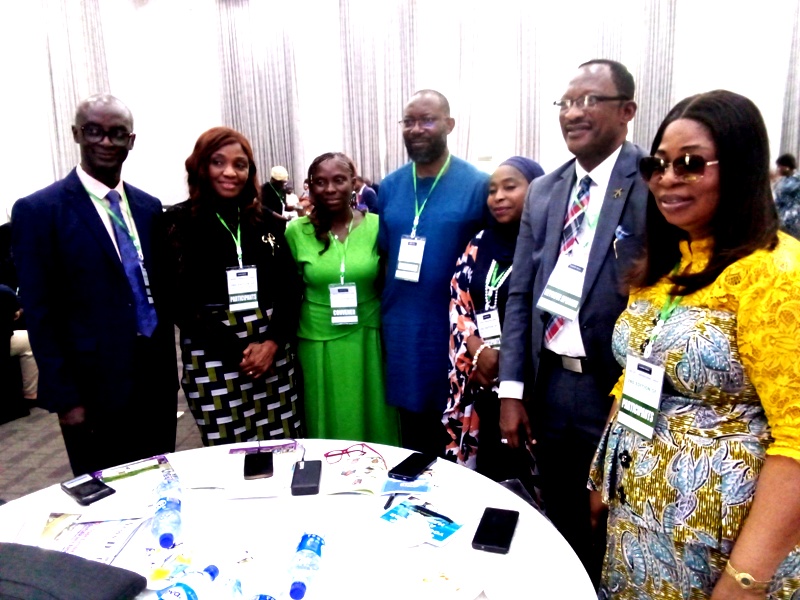
Stakeholders in Nigeria’s transport sector have called for an end to the fragmented development and management of Nigeria’s transport subsectors, urging the “Federal Government and relevant authorities to adopt a coordinated approach that integrates road, rail, airports, seaports and inland waterways into a seamless transport network to reduce delays, lower logistics costs and improve national and regional competitiveness.”
This was part of the Communiqué issued at the end of the second edition of the Transport Summit, organized by JustAlive Communications Limited, held on October 23, 2026 at Providence Hotel, Lagos, under the theme: ‘Navigating Global Disruptions and the Road Ahead: Mobility, Energy and Trade Facilitation for a Resilient Future.’
Participants also “emphasized the need for policy consistency, continuity and effective implementation across the transport sector. They cautioned against frequent policy reversals and called for sustained collaboration among government institutions, regulatory agencies, operators, investors and other stakeholders to ensure that summit recommendations translate into measurable outcomes rather than remain mere declarations.”
They “recommended the accelerated integration of rail freight services with seaports and inland dry ports to facilitate the efficient evacuation of cargo from maritime gateways to inland production and consumption centres. They also called for improved road and rail links to major logistics hubs to enhance the movement of goods across the country.”
The summit called for “greater investment in inland waterways infrastructure, navigational facilities, safety systems and supporting logistics services. Participants noted that the effective utilisation of inland waterways could decongest major seaports, reduce pressure on road infrastructure and lower cargo transportation costs.”
Participants called on relevant regulatory authorities to strengthen oversight of port operations and promote efficiency, accountability and fairness in the delivery of services. They stressed the need to review operational procedures, address avoidable bottlenecks and ensure that regulatory frameworks protect the interests of port users while creating a predictable and conducive environment for investment.
The summit equally urged relevant authorities to establish transparent and predictable port charges and enforce compliance with approved tariffs. Participants expressed concern over arbitrary, excessive or inconsistent charges that increase the cost of doing business and called for measures to protect importers, exporters, freight forwarders and other port users.
Participants recommended the establishment and strengthening of accessible, transparent and time-bound complaint resolution mechanisms for port users, terminal operators, shipping lines, importers, exporters and freight forwarders. They stressed that effective grievance redress systems would improve accountability, reduce disputes and enhance confidence in Nigeria’s transport and logistics ecosystem.
The summit called for stronger institutional coordination among regulatory agencies, port authorities, shipping companies, terminal operators and other transport service providers and recommended formalized inter-agency operational frameworks to clarify responsibilities, minimise duplication, improve information sharing and promote coordinated decision-making across the transport value chain.
On digitalisation and technology-driven operations, participants advocated the accelerated digital transformation of Nigeria’s transport system, particularly port operations and cargo management. They called for wider adoption of electronic documentation, digital clearance procedures, automated systems and technology-enabled cargo tracking to reduce manual processes, eliminate avoidable delays and improve operational efficiency.
The stakeholders urged the adoption of internationally recognized best practices in transport infrastructure development, port management, operational safety and environmental sustainability, while ensuring that such practices are adapted to Nigeria’s economic realities and development priorities.
They also called for greater attention to environmentally responsible transport systems and the efficient use of energy and other resources across the sector.
The summit also recommended the deployment of advanced surveillance technologies, including facial-recognition cameras at appropriate port facilities and long-range drones equipped with thermal or body-heat detection capabilities.
Participants noted that these technologies could strengthen security monitoring, support the detection of suspicious activities and improve surveillance along strategic transport corridors, including the East-West Road, as well as Nigeria’s maritime domain. They called for sustained investment in port modernization, including appropriate port deepening, improved handling capacity and the deployment of advanced cargo management technologies.
They encouraged the adoption of automation solutions, including automated container stacking, GPS-enabled container tracking and sorting systems, and other smart-port technologies to improve productivity, facilitate cargo movement and strengthen operational oversight. They also want port development strategies to be guided by cargo demand, vessel requirements, operational efficiency and long-term competitiveness.
The summit called for intensified maritime surveillance and patrols through the effective deployment of modern technologies, including long-range drones and other appropriate monitoring systems. They stressed the need to strengthen efforts to combat maritime theft, illegal fishing, unauthorised exploitation of marine resources and other unlawful activities within Nigeria’s territorial waters.
Participants underscored the importance of diversifying Nigeria’s economic base by identifying, developing and responsibly regulating the country’s abundant mineral and other natural resources.
They noted that reducing excessive dependence on crude oil would broaden revenue sources, stimulate industrial development, create employment opportunities and improve the standard of living of Nigerians. They further emphasised the role of an efficient transport system in facilitating the movement of mineral resources and other non-oil commodities to domestic and international markets.
Participants recognized that the transport sector remains a critical driver of Nigeria’s economic growth, social development, regional integration and national productivity. Road, rail, air, maritime, inland waterways and pipeline infrastructure collectively constitute an essential network for the movement of people, goods and services.
However, persistent challenges, including infrastructure deficits, high operating costs, weak intermodal connectivity, regulatory bottlenecks and inadequate institutional coordination, continue to increase logistics costs, constrain trade and undermine the competitiveness of Nigerian businesses.
Against the backdrop of global economic disruptions, evolving energy demands and expanding regional trade opportunities, particularly under the African Continental Free Trade Area (AfCFTA), participants stressed the urgent need to develop a resilient, integrated, technology-driven and sustainable transport ecosystem.
They concluded the summit by reaffirming the need for a coordinated, integrated and forward-looking approach to the development of Nigeria’s transport sector. Participants maintained that effective transport infrastructure, consistent policies, efficient regulation, digital transformation, enhanced security and sustainable investment are essential to reducing logistics costs, facilitating trade and improving national competitiveness.
They urged the Federal, State governments, regulatory agencies, private-sector operators and other relevant stakeholders to give practical effect to the recommendations contained in this communiqué through measurable policies, institutional reforms and targeted investments.
The summit further called for sustained engagement among stakeholders to monitor progress, address emerging challenges and ensure that Nigeria’s transport system is positioned to respond effectively to global disruptions, support regional trade and drive inclusive economic growth.