
Amidst Insecurity, Nigeria’s Youth Population Hit By Mental, Drug, Kidney Problems
In the midst of the current rate of insecurity in Nigeria, reports indicate that Nigeria’s young people are increasingly suffering from mental and kidney related problems, mostly influenced by drug abuse and nutrition.
The Guardian of May 6, 2025 reports that Nigeria is grappling with an alarming drug crisis, with a United Nations report revealing that 14.4 per cent of its population aged 15 to 64 (nearly triple the global average) abuse drugs.
Startlingly, one in five drug users suffers from disorders requiring urgent treatment. Also, psychiatric studies show that 82.5 per cent of boys in correctional facilities have mental health challenges.
As drug trafficking fuels violent extremism and economic collapse, the country risks deeper instability, crime, and a lost generation of youths without swift intervention.
A study conducted at a Borstal Institution in North-Central Nigeria found that 82.5 per cent of adolescent male residents had psychiatric disorders. The most prevalent conditions were disruptive behaviour disorders (40.8 per cent), followed by substance use disorders (15.8 per cent), anxiety disorders (14.2 per cent), psychosis (6.7 per cent), and mood disorders (five per cent).
A professor of psychiatry and clinical psychology at the Lagos State University Teaching Hospital (LASUTH), Olurotimi Coker, raised an alarm over the growing mental health crisis among boys in Nigeria.
Citing statistics from the World Health Organization (WHO), which revealed that 14 per cent of adolescents worldwide experience mental health issues, with suicide ranking among the leading causes of death for those aged 15 to 29, Coker called for early interventions to address the crisis.
According to him, mental health challenges such as anxiety, depression, and substance abuse are increasingly affecting young boys in Nigeria. Unfortunately, these issues are often overlooked due to societal expectations that boys must always appear strong.
Chinwe Onyemaechi, Anthony Onwudiwe, and Achebe Sunday of the Department of Psychology, Chukwuemeka Odumegwu Ojukwu University, Igbariam, highlighted the critical dual crises of insecurity and substance abuse in Nigeria in their February 2025 study. They noted that these issues threaten national stability, undermine public health, and impede national development.
According to them, substance abuse not only harms individual well-being but also exacerbates insecurity through interconnected mechanisms, particularly drug trafficking and the criminal networks it sustains.
They explained that one of the primary ways this occurs is through the illicit drug trade, which fuels armed groups and criminal organizations, creating a vicious cycle of addiction, crime, and violence.
In Nigeria, the high rate of drug trafficking directly contributes to substance abuse while simultaneously strengthening the operations of criminal and insurgent groups. At the forefront of these security challenges are the Boko Haram insurgency and its splinter group, the Islamic State West Africa Province (ISWAP).
While Boko Haram has caused and continues to cause significant suffering in Nigeria, its activities have primarily been concentrated in the northeastern region. Since 2009, these groups have waged a violent campaign targeting civilians, government forces, and infrastructure in the northeast of the country.
The Nextier Group, in its report, exposed the dangerous connection between illicit drug trafficking and violent extremism in the Lake Chad Basin, a region comprising Nigeria, Chad, Cameroon, and Niger.
The report highlights how insurgent groups, including Boko Haram and ISWAP, rely on the lucrative drug trade to finance their operations and recruit members, exacerbating instability and undermining governance in the region.
According to the report, narcotics such as tramadol, cannabis, heroin, hashish, and cocaine are smuggled across the region’s porous borders. Weak state institutions and corruption within security forces have further enabled this trade.
Citing court records, the report detailed cases of bribery within Chad’s judicial and security sectors, underscoring the systemic challenges in combating this menace. Extremist groups reportedly use drug proceeds to purchase weapons, sustain their operations, and suppress fear among recruits before attacks.
The report referenced findings by the United Nations Office on Drugs and Crime (UNODC) that revealed Boko Haram’s use of tramadol to embolden fighters, with drug consumption linked to heightened aggression against civilians and security forces.
Impoverished rural communities in the Lake Chad Basin remain particularly vulnerable to exploitation by drug traffickers and extremist groups. The report noted that poverty, limited opportunities and the promise of financial rewards and social status often lure young people into criminal networks. This cycle of poverty, addiction, and violence has severely disrupted local economies, destroyed infrastructure, and discouraged investment, particularly in rural agricultural areas.
Efforts by regional governments and organizations, including the African Union and the Economic Community of West African States (ECOWAS), to tackle the dual threats of drug trafficking and violent extremism have faced significant obstacles, such as inadequate funding, corruption, and poor coordination.
Speaking at the 2025 Lagos Boy Child Initiative (LBCI) residential workshop recently held at the Lagos State Model College, Agbowa-Ikosi, in Ikosi-Ejirin Local Council Development Area (LCDA), Lagos State, the wife of the Lagos State Governor, Dr Ibijoke Sanwo-Olu, and Prof Coker lamented that many boys afflicted by mental illness suffer in silence for fear of being judged or discriminated against.
Coker urged parents, teachers, and community leaders to recognize the signs of emotional distress in boys and provide them with the necessary support. He emphasized the importance of teaching boys suffering from mental illness that seeking help is not a sign of weakness.
“This is saddening and attests to the fact that we live in trying times in Nigeria. While the country suffers from a lack of purposeful leadership, the healthcare system is in shambles. An epidemic of sudden deaths sweeps across the land.
“A person might be hale and hearty today, but tomorrow they could suddenly slump and die. Now, insanity is taking a heavy toll on our country’s boys,” he said.
According to the World Health Organization (WHO), one in every four Nigerians (about 50 million people) suffers from mental illness. Mental health issues among boys in Nigeria have become a growing concern, with recent studies highlighting a significant increase in psychiatric disorders among Nigerian boys. While international bodies like the UNODC and INTERPOL have assisted, the report stressed the need for stronger political will and long-term investment.
The Nextier Group proposed a multifaceted strategy to address the crisis, including strengthening border security through manpower and technology, enhancing community policing, and investing in education and economic empowerment initiatives.
The report also called for improved governance in law enforcement and targeted interventions to address the socioeconomic vulnerabilities of border communities.
The findings serve as a stark warning about the escalating challenges facing the Lake Chad region. Without urgent and coordinated action from governments, regional organizations, and international stakeholders, the dangerous link between drug trafficking and violent extremism will continue to fuel instability, violence, and human suffering across the region.
Chairman and Chief Executive Officer of the National Drug Law Enforcement Agency (NDLEA), Brig. Gen. Mohamed Marwa (rtd.), recently reiterated the negative impact of drug abuse on the country.
Expressing concern over the high rate of drug abuse, Marwa stated that one in seven Nigerians between the ages of 15 and 64 uses drugs. This demographic represents 55 per cent of Nigeria’s 220 million population and constitutes the most productive segment of society. Marwa defended an earlier proposal by the NDLEA advocating for mandatory drug testing for all prospective members of the National Youth Service Corps (NYSC).
Considering the nation’s huge population of over 200 million people and the influx of heroin from Asia, cocaine from South America, cannabis from North Africa, and synthetic drugs from European bases, the efforts might be a drop in the ocean. Recent investigations have revealed an increasing use of substances and rising attacks on operatives.
Every week, Nigerian media are inundated with reports of individuals arrested for drug-related offences by the NDLEA. Across the streets of major cities, illicit drugs and psychoactive substances are freely bought and sold. Meanwhile, the nation’s drug crisis has resulted in seizures worth N500 billion yearly.
Some of these substances are cheaper than an average soft drink, making them readily accessible, especially to youths. They are often used as bait to lure the uninitiated into addiction.
The substances include diazepam, Rohypnol, cannabis sativa, methamphetamine, heroin, cocaine, Colorado, codeine, opioids, tramadol, synthetic variants, and other psychotropic substances.
Street names for these drugs include molly, X, roofies, banku, white, Thailand, Ice, schoolboy, little C, upper speed, special K, acid, loud, Arizona, Gegemu, Eskay, kush, and skushies, among others.
A group, Rescue Nigeria, through its People’s Parliament (a quarterly public discussion by Nigerians at home and abroad) warned that Nigeria risks pervasive violence, crime, wasteful expenditure, and broken homes if the issue of drug abuse among youths is not tackled decisively.
David Folaranmi, a mental health advocate and founder of the David Folaranmi Foundation, who recovered from substance abuse before receiving training from the United Nations Office on Drugs and Crime, revealed that children as young as 11 years old now abuse substances.
Punch of November 6, 202 says “as kidney failure surges among young Nigerians, many now require transplants to live more normal lives beyond long-term dialysis. But the high cost of kidney transplants has not only drained the income and savings of affected families, but also turned many into beggars to keep their loved ones alive amid a weak health system and dearth of specialists.
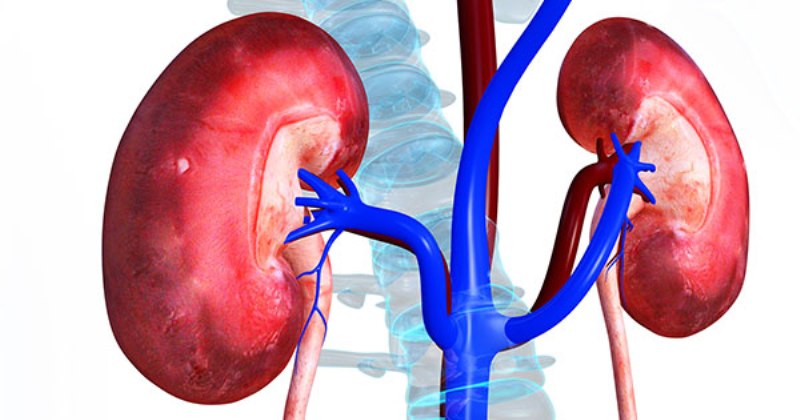
According to Punch, across Nigeria, more young people in their 20s and 30s are being diagnosed with kidney failure, a condition where the kidneys can no longer effectively filter waste and excess fluid from the blood, often meaning they have lost 85-90 percent of their function.
The rising cases of kidney failure among young Nigerians, experts said, have assumed a frightening dimension, identifying excessive use of herbal concoctions, high intake of processed foods, toxic exposures, prolonged use of unprescribed painkillers, and untreated infections as major drivers aside from the known trio of hypertension, diabetes mellitus, and glomerulonephritis.
The American Kidney Fund, a nonprofit organization, explained that kidney failure cannot be reversed and is life-threatening if left untreated, but that dialysis or a kidney transplant can help a person with the disease to live for many more years.
PUNCH Healthwise findings revealed that the staggering cost of these life-saving treatments – dialysis, and particularly kidney transplants – has reduced many families to painful desperation, turning them into beggars to keep their loved ones alive.
Experts say renal patients who are struggling to undergo three dialysis sessions per week, a medical treatment that filters waste and excess fluid from the blood when the kidneys are unable to do so, can’t afford a transplant, which is a longer-term treatment for kidney failure.
According to them, a kidney transplant is the most effective treatment for end-stage renal disease, offering a better quality of life and longer survival compared to dialysis.
Worryingly, findings by PUNCH Healthwise showed that many families whose loved ones are down with end-stage renal failure cannot afford the cost of a kidney transplant.
The President of the Transplant Association of Nigeria, Prof. Jacob Awobusuyi, described the financial burden of organ transplants as a “silent crisis” that is keeping critical care out of reach for most Nigerians.
Data from the Nigerian Association of Nephrology shows that over 20 million Nigerians have kidney diseases, with 20,000 of them progressing to end-stage kidney disease yearly, requiring dialysis or kidney transplantation. With these diagnoses, the dreams of young Nigerians battling with it begin to live in fragments, owing to the attendant costs of treatment.
Although President Bola Tinubu approved an 80 per cent subsidy on kidney dialysis in 2025, reducing the cost from N50,000 to N12,000 per session across 11 federal hospitals, the gesture is being threatened by inadequate dialysis machines.
PUNCH Healthwise’s findings revealed that there are about 354 functional dialysis machines spread across both public and private hospitals in the country, with 230,000 out of the 25 million Nigerians living with kidney disease requiring life-saving treatments like dialysis or kidney transplants.
The NAN president, Prof. Jacob Awobusuyi, confirmed that as of September 2024, only 354 dialysis machines were operational in federal, state, and private hospitals nationwide.
According to him, this number was grossly inadequate, given that kidney diseases affect about 10 per cent of Nigeria’s estimated 250 million population, equating to approximately 25 million people.
Meanwhile, specialists in renal care have expressed concerns over the survival rates of Nigerians diagnosed with kidney failure.
The Chief Medical Director of Abia State Specialist Hospital and Diagnostic Centre, Dr. Chimezie Okwuonu, lamented that most patients die within three to six months after starting dialysis due to poor access to transplants and inadequate dialysis sessions.
Speaking exclusively with PUNCH Healthwise, Okwuonu, who is the pioneer transplant nephrologist in Southeast Nigeria, noted that despite significant progress made in kidney transplantation, the overwhelming majority of patients with renal failure still die prematurely.
The nephrologist, who is also the Clinical Care Coordinator and Quality Assessment Lead at FMC Umuahia, explained that many Nigerians battling kidney failure are dying not because the procedure is unavailable but because the cost remains far beyond their reach. According to him, the average Nigerian kidney failure patient cannot survive on one or two dialysis sessions a week, yet this is all many can afford.
The nephrologists identified factors such as excessive use of herbal concoctions, high intake of processed foods, prolonged use of unprescribed painkillers, and untreated infections as major contributors to the rising cases.
They added that lifestyle habits and late presentation are fuelling the surge, affecting people in their 20s and 30s, and putting immense pressure on families and the country’s already strained healthcare system.
The President of the Transplant Association of Nigeria, Prof. Jacob Awobusuyi, described the financial burden of organ transplants as a “silent crisis” that is keeping critical care out of reach for most Nigerians.
Speaking exclusively with our correspondent, Awobusuyi listed several factors responsible for the rise in cases of kidney failure among young Nigerians.
According to him, the most prominent causes among young people include congenital abnormalities of the urinary tract, which occur when something goes wrong structurally during the developmental process.
He noted that these structural abnormalities of the urinary tract can later predispose them to kidney problems.
“Then you have urinary tract infections, especially in females, where kidney infections occur. If these infections are not properly diagnosed and treated, they can progress and eventually cause kidney issues.
“We are also facing the problem of toxic exposure — chemicals in the environment, a lot of herbs being used, adulterated foods, and many harmful herbal combinations young people now consume. All these contribute to kidney disease. And this is happening not only in the young but across all age groups.
Another huge factor, the nephrologist said, was chronic infections. “Young individuals with HIV, hepatitis B, hepatitis C, and even parasitic infections also develop kidney damage. These are major causes of kidney disease that we are now seeing,” Awobusuyi added.
The NAN president, however, lamented that the condition was now affecting Nigerians in their prime.
“Yes, Nigerians should be worried. Because the age group now being affected, people in their 20s, 30s, and early 40s, is the productive age group in any society. These are young individuals who are the breadwinners of their families, and they are now coming down with a disease that is extremely expensive to treat.
He also highlighted the cost of treatment, adding that dialysis or transplant remains expensive, and many patients stop halfway because of cost.
Sharing preventive steps, Awobusuyi said they “need to embrace healthy lifestyle habits. They need to stop taking all the hard drugs they are using. They need to stop smoking. Although smoking may not directly affect kidney function, it has a lot of negative effects on blood vessels, and blood vessels supply the kidneys.
“They also need to stop taking alcohol in excess. Alcohol may not directly damage the kidneys, but it can affect blood vessels and the heart. The heart and the kidney are like brother and sister—if one fails, the other fails soon after.”
He urged young Nigerians to seek prompt medical attention, stressing that anyone who has sickle cell disease or who has a family history of hypertension, diabetes, or kidney disease needs regular medical checkups.
“They must stop abusing painkillers, especially the way some artisans and mechanics use them. One of the side effects of long-term use of such painkillers is kidney disease,” the don added.
On what the government can do to prevent more young Nigerians from ending up with kidney failure, Awobusuyi advocated “proper screening. Every time patients come to the hospital for any reason, basic screening tests such as urine tests for protein should be done. Protein in urine is one of the earliest signs of kidney damage.
At the secondary level, the don advised the government to invest in public and national programmes to drive health education and awareness about the condition.
“The government should invest more in public enlightenment through broadcast media, print media, and online platforms. This will help people understand risk factors and seek help early,” he added.